
Real Estate Day Trading: A Business Done Entirely by Phone, Fax, E-Mail, and Internet
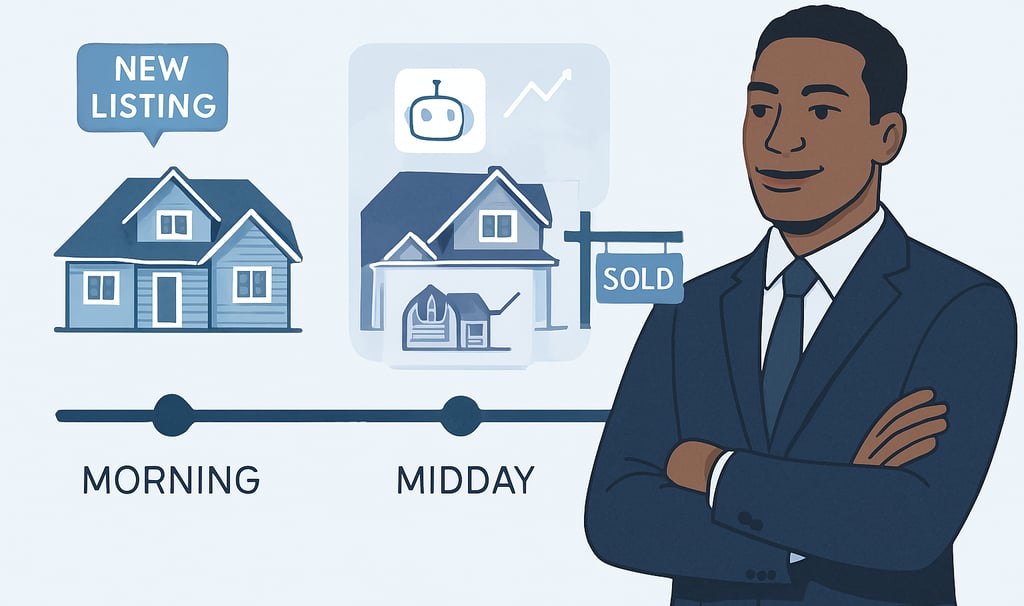
Real estate day trading represents a modern shift in the way properties are bought and sold, focusing on rapid transactions rather than the long-term investment strategies traditionally associated with real estate investing. Unlike conventional approaches, where buyers often seek to hold properties for years, day trading capitalizes on the fluctuations of property values within short timeframes, typically within a single day. This method leverages market trends and advanced technology to make quick decisions, thus allowing investors to maximize their profits while minimizing risks associated with holding properties over extended periods.
Howard Hubbard
8 min read
Introduction to Real Estate Day Trading
Real estate day trading represents a modern shift in the way properties are bought and sold, focusing on rapid transactions rather than the long-term investment strategies traditionally associated with real estate investing. Unlike conventional approaches, where buyers often seek to hold properties for years, day trading capitalizes on the fluctuations of property values within short timeframes, typically within a single day. This method leverages market trends and advanced technology to make quick decisions, thus allowing investors to maximize their profits while minimizing risks associated with holding properties over extended periods.
The primary difference between real estate day trading and traditional real estate investing lies in the speed and approach to transactions. Real estate day traders utilize digital tools such as phones, faxes, emails, and the internet to swiftly analyze market conditions, communicate with buyers and sellers, and execute deals. This reliance on technology enables them to remain in constant touch with the market, accelerating the entire buying and selling process.
Furthermore, the advantages of adopting this innovative trading approach are numerous. Real estate day trading provides flexibility, allowing investors to operate from virtually anywhere, manage multiple transactions simultaneously, and act upon opportunities almost instantaneously. In addition, the fusion of real estate with digital communication channels reduces geographical constraints, giving investors access to a broader range of property listings and buyer pools. By embracing this fast-paced market characteristic, real estate day trading empowers investors with the ability to respond quickly to ever-changing market dynamics.
As this trend continues to grow, understanding the implications of technology and communication in real estate day trading will be crucial for those looking to capitalize on the benefits of this unique investment strategy.
How Technology Revolutionized Real Estate Trading
The evolution of technology has greatly transformed the landscape of real estate trading. With the rise of digital tools and communication platforms, traders can now conduct transactions and market analyses with unmatched efficiency and effectiveness. One of the most significant advancements is the use of online platforms that allow real estate professionals to access real-time data, gather market insights, and analyze trends without leaving their home offices.
In the realm of real estate day trading, effective communication is critical. Technologies such as email, video conferencing, and instant messaging have enabled traders to maintain constant contact with clients, investors, and other stakeholders. This seamless communication streamlines negotiations and facilitates quicker decision-making processes. As a result, the reliance on traditional face-to-face meetings has diminished significantly.
Furthermore, numerous software applications and tools now allow traders to automate tasks that were once time-consuming. For instance, customer relationship management (CRM) systems help keep track of leads, manage client interactions, and follow up on inquiries efficiently. Real estate day traders can leverage geographic information systems (GIS) and multiple listing services (MLS) to discover potential investment opportunities quickly and accurately.
The availability of online education platforms has also contributed to this revolution, enabling traders to gain knowledge and skills pertinent to their field at their own pace. Digital marketing strategies, such as social media campaigns and search engine optimization, further enhance visibility and attract interested parties to listings, resulting in more potential deals.
In conclusion, technology plays an essential role in real estate day trading by enhancing communication, increasing efficiency, and enabling traders to access valuable market information from virtually anywhere. As technology continues to evolve, those who adapt and harness these tools will likely thrive in the competitive real estate market.
Essential Skills for Successful Real Estate Day Traders
In the realm of real estate day trading, possessing certain essential skills is vital for achieving success. To navigate this fast-paced environment effectively, one must excel in negotiation abilities, market analysis, time management, and the proficient use of online tools and software.
First and foremost, negotiation skills are paramount for real estate day traders. Whether dealing with buyers, sellers, or other professionals in the industry, the ability to negotiate favorable terms can significantly impact profit margins. Engaging in active listening and honing persuasive techniques will enable traders to secure advantageous deals.
Another critical skill is market analysis. Understanding real estate trends and market indicators ensures that traders make informed decisions. Familiarity with market cycles, property values, and economic factors can provide valuable insights. By staying updated on the latest news and leveraging analytical tools, day traders can better predict market movements and identify profitable opportunities.
Time management is equally important in this line of work. Successful real estate day traders must efficiently allocate their time to conduct research, engage in negotiations, and finalize transactions. Setting priorities, creating timelines, and minimizing distractions are effective strategies for improving overall productivity.
Finally, expertise in utilizing online tools and software is indispensable in modern real estate trading. Familiarity with property listing platforms, customer relationship management (CRM) systems, and data analysis tools can enhance a trader's operational efficiency. Investing time in mastering these technologies not only streamlines the trading process but also opens up new avenues for success.
In essence, real estate day traders should continually work on developing their negotiation skills, market analysis capabilities, time management practices, and proficiency with relevant technologies. By doing so, they will be better positioned to thrive in an industry that is as dynamic as it is rewarding.
Building a Network Through Digital Communication
In the realm of real estate day trading, networking plays a crucial role in establishing successful transactions and relationships. The digital age has markedly transformed traditional networking methods, providing numerous platforms where traders can connect with potential buyers, sellers, and various real estate stakeholders. With the advent of technology, professionals can now build a robust network without the constraints of geographical boundaries.
Social media platforms such as LinkedIn, Facebook, and Twitter have emerged as vital tools for real estate traders. These platforms not only allow for the promotion of real estate listings but also promote interaction through groups and forums dedicated to real estate discussions. Engaging with these platforms can enhance one’s visibility, attract potential partners, and facilitate mentorship opportunities that are essential in the competitive world of real estate trading.
Additionally, real estate-specific platforms like Zillow, Redfin, and Realtor.com offer opportunities for traders to market their properties and services effectively. These dedicated platforms create an environment for real-time communication with prospects, enabling traders to respond promptly to inquiries and provide valuable information to interested parties. Furthermore, forums such as BiggerPockets provide an interactive space where real estate traders can share insights, advice, and experiences, thereby fostering connections that can be instrumental in business growth.
Email communication remains a significant avenue for networking as well. A well-crafted email list can enable traders to keep in touch with clients and partners, sharing updates and opportunities directly. This method of communication is vital for maintaining relationships in the fast-moving environment of real estate day trading.
In conclusion, leveraging digital communication channels is fundamental for real estate traders seeking to expand their professional network. By utilizing social media, real estate platforms, and email effectively, traders can cultivate valuable connections that significantly contribute to their success in the industry.
Legal Considerations in Real Estate Day Trading
As the realm of real estate day trading continues to evolve, it becomes increasingly essential for traders to navigate the complex legal landscape associated with this practice. Thoroughly understanding real estate laws is crucial for anyone aiming to succeed in this business primarily conducted through digital means such as phone, fax, email, and the internet.
At the forefront of legal considerations are the diverse contracts that govern transactions. Each contract must be carefully reviewed to ensure compliance with local, state, and federal laws. This includes understanding the implications of purchase agreements, listing contracts, and disclosure documents. Failing to adhere to these legalities may expose traders to significant liabilities, such as breaches of contract or claims of misrepresentation.
Another significant aspect of real estate day trading is the concept of virtual closings. Digital transactions have risen in popularity, particularly in light of the increased use of technology during recent years. While virtual closings offer convenience, they require a firm grasp of the relevant legal requirements and security protocols to validate transactions. It is vital for traders to familiarize themselves with electronic signatures, digital notaries, and the regulations surrounding these practices.
Moreover, professionalism and ethics play an indispensable role in maintaining the integrity of online real estate transactions. Ethical dilemmas can arise from miscommunication or misrepresentation in a digital setting. As such, real estate day traders should establish clear lines of communication with clients and ensure transparency at every stage of the transaction process. This commitment to ethical standards not only protects traders legally but also fosters trust and credibility within the real estate community.
Case Studies of Successful Real Estate Day Traders
In the realm of real estate day trading, numerous individuals have harnessed the power of technology and digital communication to achieve remarkable success. These case studies exemplify various strategies, tools, and lessons learned, serving as inspiration for both aspiring and seasoned traders alike.
One notable case is that of Sarah Johnson, who began her real estate day trading journey in 2019. Leveraging platforms like Zillow and Redfin, she utilized market analysis tools to identify undervalued properties in emerging neighborhoods. By engaging with sellers through email, she was able to negotiate favorable terms and close deals quickly. Sarah's strategy revolved around thorough market research and rapid response to opportunities, which allowed her to flip properties within weeks, significantly increasing her profit margins.
An interesting approach was employed by David Lee, who took advantage of social media channels to market his listings. Utilizing Facebook and Instagram, David created a strong personal brand that attracted potential buyers and sellers. His method involved hosting virtual tours and engaging in live Q&A sessions, which built trust and facilitated faster transactions. David learned the importance of adapting to newer trends in communication, ultimately broadening his network and enhancing his understanding of client needs.
Lastly, Melissa Roberts exemplifies the use of online investment forums to gather market insights. By participating in discussions on platforms such as BiggerPockets, she gained valuable knowledge on investment strategies and market trends. Melissa combined traditional methods with digital communication, using email marketing to follow up with leads. Her takeaways emphasize the significance of community engagement and knowledge sharing in achieving sustained success in real estate day trading.
These case studies illustrate that successful real estate day traders maximize their use of technology and digital communication, tailoring their strategies to both market demands and personal strengths. The blend of traditional approaches and innovative tools ensures a competitive edge in a rapidly evolving market.
Future Trends in Real Estate Day Trading
The realm of real estate day trading is experiencing a transformational shift, heavily influenced by advancements in technology and the evolving demands of the market. As traders increasingly rely on digital platforms for transactions, we anticipate the continuous emergence of innovative tools that will enhance the efficiency and accuracy of trades. Artificial Intelligence (AI) and machine learning, for instance, are set to play a pivotal role in analyzing market trends and predicting price fluctuations, offering traders a competitive edge. These technologies can process vast amounts of data quickly, enabling traders to make informed decisions in real-time.
Furthermore, the integration of blockchain technology is expected to revolutionize the way real estate transactions are conducted. By providing a transparent and secure ledger for all transactions, blockchain can facilitate smoother and faster deal closures, thereby reducing the time and costs associated with traditional processes. This shift could attract more investors into the day trading sphere, as they seek to capitalize on the benefits offered by improved security and efficiency.
Moreover, the rise of remote work culture has led to an increased interest in various property types, including residential and commercial real estate. This trend may shift day traders' focus, as they seek to capitalize on changing demands driven by lifestyle choices and corporate relocations. Adapting quickly to these market changes will be essential for traders aiming to remain successful.
As we look to the future, one can expect day traders to engage more in collaborative environments, leveraging social media and digital networks to share insights and strategies. This collaborative approach not only fosters a community of knowledgeable traders but also enhances individual success rates through shared experiences and tips.
In conclusion, real estate day trading is on the brink of significant transformation. By embracing emerging technologies and adjusting to new market demands, day traders can position themselves for success in this dynamically evolving landscape.
Connect
info@noeldrakeproperties.com
Stay Updated with Us
682-312-4533