
Why Investors Shouldn’t Manage Their Own Property: A Cautionary Tale
Property management is a multifaceted field that encompasses overseeing the operational aspects of real estate, including tenant relations, maintenance, and financial management. Many investors, particularly those new to the real estate market, consider self-managing their properties as a cost-effective approach. The allure of controlling their own assets and minimizing expenses can lead them to believe that they can effectively take on this responsibility, often underestimating the complexity involved.
Howard Hubbard
5 min read
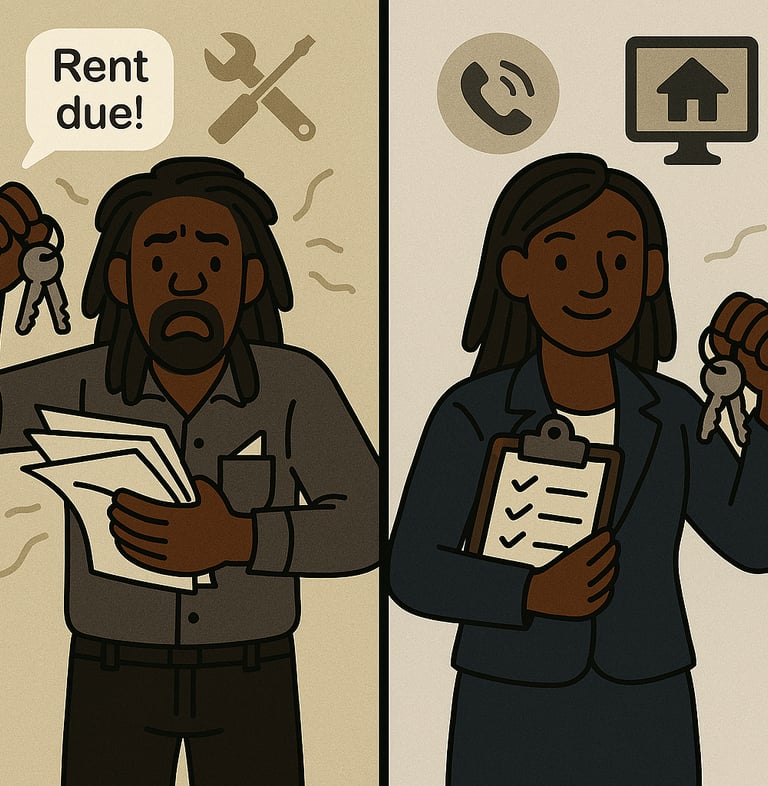
Introduction: The Burden of Self-Management
Property management is a multifaceted field that encompasses overseeing the operational aspects of real estate, including tenant relations, maintenance, and financial management. Many investors, particularly those new to the real estate market, consider self-managing their properties as a cost-effective approach. The allure of controlling their own assets and minimizing expenses can lead them to believe that they can effectively take on this responsibility, often underestimating the complexity involved.
Common misconceptions exist around the ease of self-management. Investors might assume that with basic knowledge of property maintenance and rental processes, they can successfully navigate the challenges associated with being a landlord. This belief may be reinforced by anecdotal success stories or simplified accounts from peers who have undertaken self-management without apparent difficulty.
In reality, the burdens of property management can quickly accumulate and transform from manageable tasks into overwhelming obligations. The responsibility of responding to tenant inquiries, coordinating repairs, ensuring compliance with local regulations, and managing finances requires a considerable time investment and expertise. Investors may find that the emotional toll of resolving tenant disputes or managing difficult situations further complicates the experience.
Additionally, the risk of making uninformed decisions can have significant financial implications. Without experience or knowledge of the local housing market dynamics, an investor may struggle with setting appropriate rental prices or navigating legal obligations effectively. These common pitfalls highlight the importance of understanding the complexities of property management versus the perceived simplicity of self-management.
With these considerations in mind, it becomes evident that while self-management may initially seem appealing, the potential challenges and drawbacks warrant a thorough evaluation before opting to manage one’s properties independently.
Time and Resource Drain: The Hidden Costs of Self-Management
Managing a rental property may initially seem like a straightforward task, but the reality of property management is often far more complex. Investors who opt for self-management frequently underestimate the amount of time and effort required to address tenant relations, handle maintenance issues, and fulfill various responsibilities that come with being a landlord. The hidden costs associated with self-managing a property can quickly escalate, revealing that the DIY approach is fraught with challenges.
First and foremost, investors must dedicate considerable time to tenant interactions, which range from screening potential tenants to managing complaints and resolving disputes. This continuous process can demand more hours than anticipated, often taking away from the investor's personal life or other business ventures. Effective communication and relationship management are crucial, yet they require persistence and focus, which can drain an individual’s resources.
Maintenance issues further complicate self-management. Routine upkeep, emergency repairs, and compliance with local regulations burden investors with decisions and actions that may not align with their expertise. Mishandling a critical maintenance task can lead to dissatisfied tenants, decreased rental income, or even potential legal implications, which can all weigh heavily on the investor’s shoulders.
Moreover, the financial ramifications of mismanagement are significant. Potential loss of rental income due to void periods or the costs associated with tenant turnover can have a serious impact on an investor's bottom line. While some may believe that managing their own property saves money, the reality often points to hidden expenses overshadowing initial savings. Furthermore, stress and emotional fatigue can arise from juggling too many responsibilities, ultimately affecting decision-making and long-term investment strategies.
When comparing the time and effort invested in self-management to the advantages of hiring professional property management services, it becomes clear that the latter tends to yield better returns. Experienced management professionals are equipped to navigate the complexities of real estate management, allowing investors to focus on growth opportunities rather than day-to-day issues. Thus, the case against self-management is compelling, emphasizing the benefits that professional services offer to investors.
Lack of Expertise: Why Professionals Are Essential
Successfully managing rental properties requires a level of expertise that most individual investors may not possess. Professional property managers are equipped with the necessary skills and knowledge to navigate the complexities associated with real estate management. They understand local laws and regulations, which can significantly affect rental operations. Without a thorough understanding of these legal frameworks, investors risk encountering costly litigation or fines that arise from non-compliance.
Additionally, effective property management extends beyond legal knowledge; it also involves a deep understanding of property maintenance. Professional property managers possess technical skills and the ability to coordinate repairs and maintenance efficiently. They know how to assess the condition of facilities and swiftly address tenant issues. This knowledge is crucial for preventing minor maintenance problems from escalating into major, costly repairs that can undermine an investor’s profitability.
Furthermore, accounting principles play a vital role in managing rental properties. Professional managers are adept at handling bookkeeping, tracking expenses, and preparing financial reports. This financial acumen is essential for investors who need to understand their profit margins, cash flow, and overall financial health of their investments. Attempting to manage these financial aspects without expertise could lead to poor decision-making or overlook significant expenses that impact the bottom line.
Another advantage of hiring seasoned property managers is their negotiation skills. They possess the ability to interact with tenants effectively, ensuring that lease agreements are favorable for the property owner while maintaining tenant satisfaction. Higher tenant satisfaction can lead to better retention rates, reducing the frequency of turnover and associated vacancies that diminish income. In summary, the expertise that professional property managers bring to the table is invaluable, making them essential allies for any serious investor in the rental property market.
Conclusion: Making the Smart Choice for Your Investment
In concluding this discussion, it is essential to recognize the paramount advantages of hiring a property management company rather than attempting to self-manage investment properties. One significant benefit lies in the expertise and experience that professional property managers bring to the table. They are adept at handling various aspects of property management, including tenant screening, maintenance, and eviction processes, while investors might lack the same level of knowledge and resources.
Furthermore, engaging a property management firm allows investors to save valuable time and reduce stress. Managing properties involves a plethora of responsibilities that can be time-consuming and demanding. By delegating these tasks to professionals, investors can concentrate on what truly matters: scaling their investments and exploring new growth opportunities. This strategic decision can also foster enhanced profitability over the long term, as property managers utilize their networks and resources to optimize rental rates, reduce vacancies, and implement effective marketing strategies.
Moreover, hiring property management services mitigates potential risks associated with tenant-related issues, legal compliance, and maintenance challenges. Professional firms are well-versed in local laws and regulations, ensuring that all operations are conducted legally and in accordance with industry standards. This not only protects the property owner's investment but also enhances the overall management experience.
Ultimately, making the smart choice of hiring a property management company is about prioritizing growth and freeing oneself from the intricacies of day-to-day management. By entrusting property management to capable professionals, investors can position themselves to seize new opportunities and achieve their financial goals. This shift in focus from management to growth can significantly impact the success of any investment strategy.
Connect
info@noeldrakeproperties.com
Stay Updated with Us
682-312-4533