
House Flipping 101: A Beginner's Guide to Profiting from Fix-and-Flip Real Estate
Thinking of flipping a house? Our House Flipping 101 guide breaks down the entire process for beginners, from market analysis to the final sale. Learn the steps to succeed and avoid costly mistakes.
Howard Hubbard
12/19/20252 min read
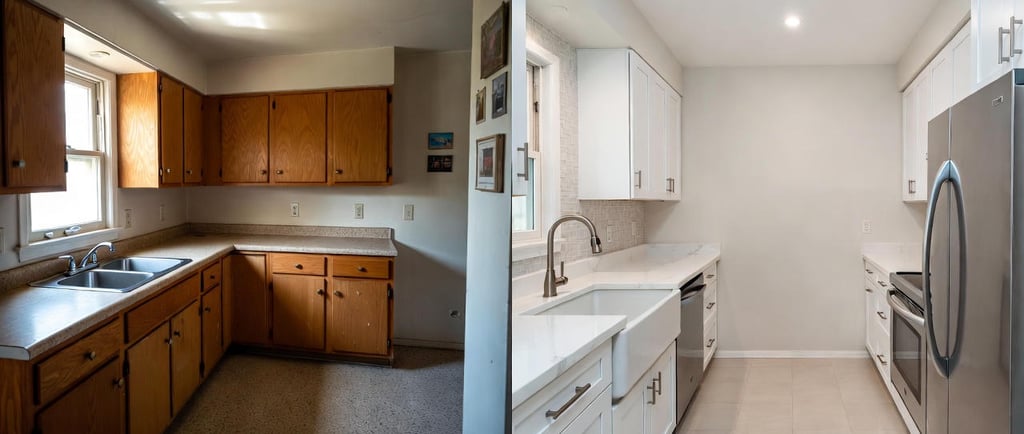
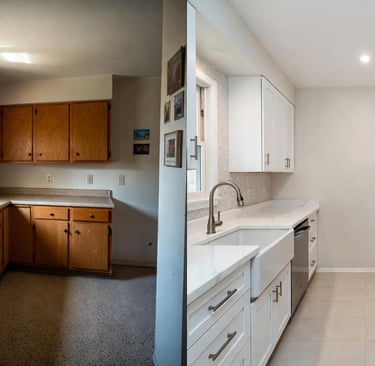
Introduction to House Flipping
House flipping is an increasingly popular investment strategy that involves purchasing a property, renovating it, and then selling it for a profit. The allure of fix-and-flip real estate lies in its potential for significant financial returns. However, for beginners, it can appear daunting. This comprehensive guide, House Flipping 101, aims to simplify the process and provide insights that will help novices succeed in today’s competitive market.
Understanding the Real Estate Market
Before diving into house flipping, it is essential to understand the current real estate landscape. Market conditions fluctuate, and awareness of local trends can significantly impact your investment decisions. Beginners should analyze neighborhood values, identify areas with growth potential, and be familiar with economic factors that could affect property prices—like employment rates and infrastructure developments. Knowledge of these elements will empower house flippers to make informed choices and maximize their profits effectively.
Steps to Successfully Flip a House
The process of house flipping involves several critical steps. First, identify a suitable property that is undervalued. Utilize resources like real estate listings, auctions, and even local wholesalers to find opportunities. Once a property is located, conduct thorough inspections and research to understand any necessary repairs and the estimated costs involved.
Next, create a budget that encompasses not just the acquisition but also the renovation costs and other fees such as taxes and closing costs. This budget will serve as a roadmap to ensure you remain financially viable throughout the project. After acquiring the property, focus on renovations. Prioritize high-impact areas like kitchens and bathrooms, which significantly increase a home’s value. Hiring contractors can be beneficial, but if you have the skills, DIY projects can help cut costs.
Once renovations are complete, stage the home for showings. Good staging enhances the property’s appeal and attracts potential buyers. Finally, set a strategic selling price based on comparative market analysis and be prepared to negotiate effectively. The enthusiasm of flipping houses lies in turning an outdated property into a desirable home for buyers, ultimately reaping profits in the process.
Essential Tips for Beginners
For novice house flippers, several tips can enhance your chances of success. First, be patient. Flipping houses is not a get-rich-quick scheme; it requires time and dedication. Secondly, continue learning. Invest in education, whether it’s through courses, books, or mentorship. Networking with experienced investors can provide invaluable insights and support. Additionally, always plan for the unexpected. Renovation projects may uncover hidden issues that can consume more resources than initially anticipated. Having a contingency fund will ensure you are prepared for surprises.
In conclusion, house flipping can be a rewarding venture for beginners willing to commit to the journey. By understanding the real estate market, following structured steps, and implementing thoughtful strategies, newcomers can navigate the complexities of fix-and-flip real estate successfully. Embrace the challenge, and you may find yourself thriving in the world of real estate investment.
Connect
info@noeldrakeproperties.com
Stay Updated with Us
682-312-4533